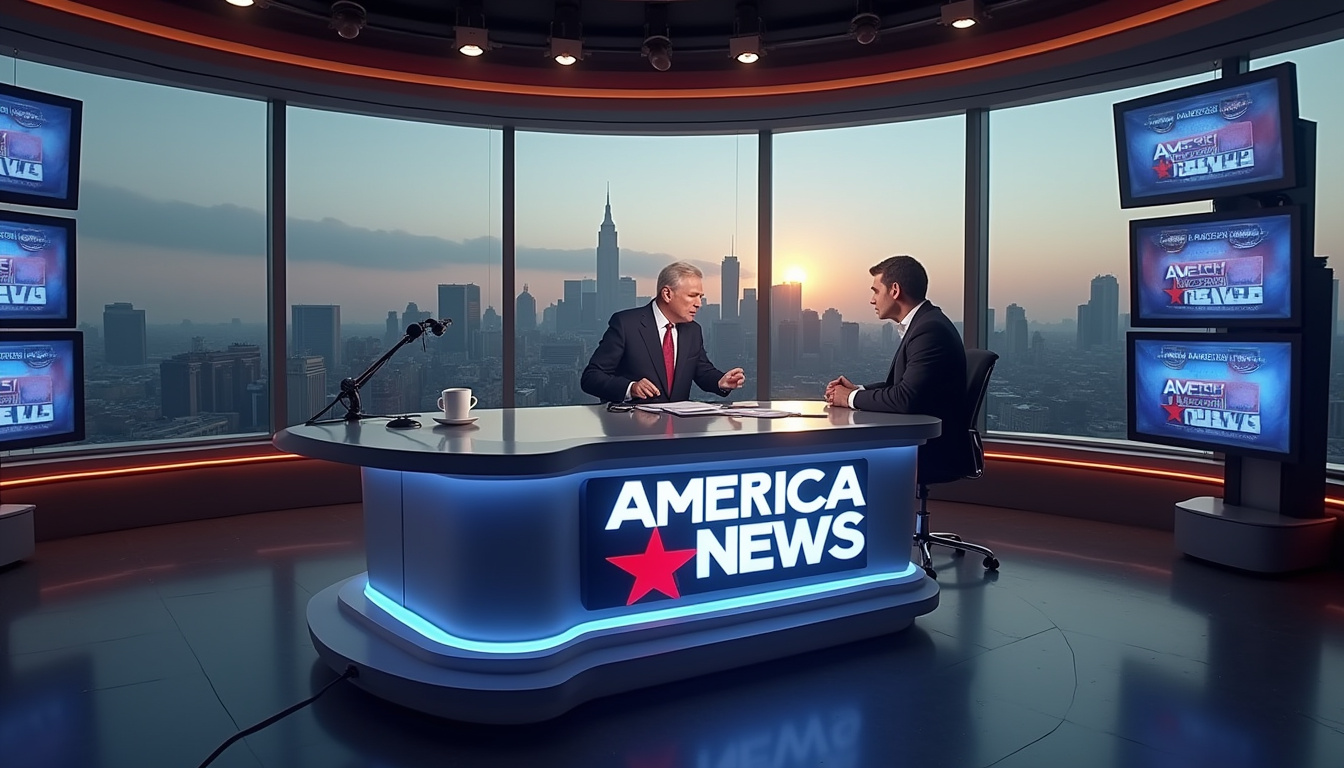
America News unfolds as a pulse check on a year that tests strategic endurance and political stamina. As the section opens, readers are drawn into a landscape where high-stakes diplomacy, domestic power shifts, and shifting alliances intersect with rapid political theater. The tone stays steady and factual, presenting events in a clear timeline while connecting the threads to broader consequences for American leadership and global dynamics.
US foreign policy shifts in 2026 reflect a recalibrated approach to multiple theaters. Officials describe a push to shape post-war security arrangements in Ukraine through new guarantees, while conversations with European and regional partners aim to translate words into credible commitments. Meanwhile, debates over when and how to engage with Gaza planning phases illustrate a broader shift toward more assertive humanitarian and strategic calculations. In Washington, policymakers weigh long-term commitments against domestic priorities, balancing alliance cohesion with electoral realities.
Greenland and territorial questions surface as a contentious point on the horizon. Proposals for stronger US involvement clash with existing Danish and Greenlandic concerns, provoking a careful diplomatic ballet that emphasizes sovereignty, economics, and regional stability. The exchanges underscore a larger question: how far the United States should go in shaping Arctic affairs while maintaining alliance trust and international norms.
The Gaza plan second phase emerges as a focal point where strategy meets on-the-ground improvisation. Officials describe a phased approach intended to reduce civilian harm while preserving security objectives, and analysts watch for how humanitarian access, ceasefire dynamics, and regional responses will influence overall outcomes. The discussion reflects a broader tolerance for risk as the administration tests different leverage points in a volatile environment.
Criticisms of Federal Reserve leadership enter the public discourse, sparking debates about monetary policy, inflation control, and economic resilience. Critics call for clearer accountability and more transparent communication, while supporters argue that independence remains essential for credibility. The exchange highlights the domestic dimension of global financial pressures and the need for policy coherence across fiscal and monetary arms.
Finally, the US role in the Zengezur Corridor adds another layer to Eurasian strategy. Officials describe a careful alignment with regional partners to promote connectivity while respecting existing borders and security concerns. The evolving posture reflects a broader aim: maintain stable corridors that support trade, deter disruption, and reinforce international norms in a complex, multipolar environment.
Trump Demands Nobel Prize From Norway
Across the political landscape of 2026, the controversy surrounding a Nobel prize claim has put a spotlight on the behavior and rhetoric of prominent leaders. In this section, the focus sharpens on a provocative move by a former president who publicly pressed Norway to award him the Nobel Peace Prize. The moment sits at the intersection of identity, diplomacy, and national perception, inviting readers to weigh gesture against merit in a carefully observed arena of global opinion.
Details of the demand reveal a bold stance that challenges the impartial process of the Nobel Committee. The former president asserted that the prize should be bestowed on him for policies he believes shifted geopolitics in ways that align with lasting peace initiatives and security guarantees. The remarks touched on Arctic issues, conversations about Greenland, and crises in Ukraine and Gaza, signaling an attempt to frame achievement through a broad, high-stakes lens. Critics argued that prize selection rests with an independent body and is not subject to political pressure, while supporters suggested the move amplified the urgency of diplomatic outcomes in multiple theaters.
Norway’s government faced questions about its role and response. Prime Minister Jonas Gahr Store publicly reminded observers that the Nobel Peace Prize is awarded by an independent committee, not by the government or foreign leaders. The official response emphasized respect for the committee’s autonomy while acknowledging the intense attention this topic generated in international media and diplomatic circles. In diplomatic terms, the exchange highlighted how the contours of leadership can influence perceptions of credibility and legitimacy on the world stage.
The ripple effects extended into US-Nordic relations and broader Atlantic partnerships. Some analysts warned that such public demands could complicate quiet diplomacy and dilute the seriousness of future negotiations. Others noted that the episode could energize political conversations at home about how the United States projects influence abroad and how allies perceive American leadership during tense regional debates. As the discourse evolved, observers remained attentive to how these dynamics would shape cooperation on Arctic security, Gaza planning, and Ukraine’s post-war framework.
Ultimately, the episode underscored a moment when symbolic claims intersect with real policy questions. The interplay between rhetoric and governance offered a window into how leaders manage prestige, alliances, and international expectations in a rapidly shifting global order.